

Sydney was among the first cities in the world to develop a comprehensive resilience strategy and is now among the first to embark on a second-generation strategy, reaffirming its leadership in advancing urban resilience.
At its core, resilience is a governance challenge. The ability of a city to anticipate, prepare for, respond to, and recover from shocks and stresses depends on how effectively its institutions, communities, and stakeholders work together. The Resilient Sydney 2025–2030 Strategy recognises that coordination is the foundation of resilience and that strong governance is the mechanism through which collective action becomes possible.
Building on the foundations established in 2018, this new strategy strengthens the capacity of Sydney’s communities, businesses, and institutions to embed resilience within the governance systems of the city. It provides a framework for navigating climate risks, economic transitions, infrastructure pressures, and social challenges through greater collaboration, shared responsibility, and long-term thinking. By championing local government cooperation, prioritising community-led solutions, and integrating First Nations knowledge, the strategy establishes a benchmark for cities around the world seeking to strengthen resilience through inclusive and coordinated governance.
Importantly, this work reflects an extensive engagement process that has captured the voices, experiences, and priorities of Greater Sydney’s diverse communities. Its focus on preparedness, environmental stewardship, social equity, community connection, and, above all, trusted and coordinated governance ensures Sydney is not only prepared for the shocks and stresses of today but is actively shaping a stronger and more prosperous future for its residents.
Over the past decade, Resilient Sydney has set a national and international benchmark for collaboration. The first Resilient Sydney Strategy helped forge the relationships, partnerships, and institutional connections necessary to support stronger city governance. It established a common language for understanding, preparing for, and responding to shocks and stresses, while elevating the critical role local government plays in managing places, supporting communities, and coordinating action across jurisdictions.
Since the launch of the first strategy, Greater Sydney has experienced every major shock identified within it – bushfires, floods, heatwaves, infrastructure and network failures, and a global pandemic. These events demonstrated the resilience of our communities, but they also revealed the human, social, economic, and environmental costs of repeated disruption. As the frequency and severity of these shocks increase, our collective responsibility is not only to respond to crises but to address the chronic stresses that compound vulnerability and undermine resilience over time.
In 2023, with support from the NSW and Australian Governments, Resilient Sydney embarked on another ambitious effort to understand the evolving risks facing Greater Sydney and develop a refreshed roadmap for strengthening resilience across the region. The challenges ahead are complex and interconnected. We must work together to ensure housing is affordable, resilient, and fit for a changing climate; accelerate a fair and inclusive clean energy transition; address the growing risks of extreme heat; and develop sustainable solutions to Greater Sydney’s mounting waste challenges.
Equally important is our shared commitment to greening neighbourhoods, protecting natural systems, strengthening social cohesion, and ensuring communities are connected, inclusive, and prepared for an uncertain future. None of these challenges can be addressed by any single organisation acting alone. They require coordinated governance, collective leadership, and sustained collaboration across all levels of government, the private sector, community organisations, and residents.
Through our collective efforts, we have seen that local knowledge, trusted relationships, and community leadership are essential ingredients of resilience. The Resilient Sydney 2025–2030 Strategy recognises this reality and places governance at the centre of the resilience agenda. In doing so, it provides not only a roadmap for Greater Sydney, but a model for how cities around the world can strengthen their capacity to navigate uncertainty, adapt to change, and thrive together.
Resilient Sydney Steering Committee
One of Resilient Sydney’s greatest achievements has been its governance model. In a region without a single metropolitan authority, the initiative brought together all 33 councils of Greater Sydney, supported by a Steering Committee and dedicated Resilient Sydney Office, to coordinate action on shared challenges.
The first Resilient Sydney Strategy (2018) was fundamentally about building the relationships, partnerships and common language needed to strengthen city-wide resilience. Over the past decade, those networks have been tested through bushfires, floods, heatwaves, infrastructure disruptions and the COVID-19 pandemic, demonstrating the value of coordinated action across jurisdictions.
As the initiative has matured, its governance has evolved from strategy development and awareness-raising to implementation, cross-sector collaboration, and regional leadership. The Steering Committee and Resilient Sydney Office have become important mechanisms for aligning councils, governments, businesses and communities around shared resilience priorities.
This evolution is reflected in the Resilient Sydney 2025–2030 Strategy, which recognises that resilience is ultimately a governance challenge. Coordinated, trusted and effective governance is now identified not only as the means to deliver resilience, but as a resilience outcome in its own right. The strategy reinforces the importance of collaboration across all levels of government and sectors to address complex challenges such as climate adaptation, housing affordability, energy transition and social cohesion.
Over the past ten years, Resilient Sydney has established a lasting governance architecture for Greater Sydney – one that enables collective action on challenges no single organisation can solve alone.
Resilient Sydney Ambassadors
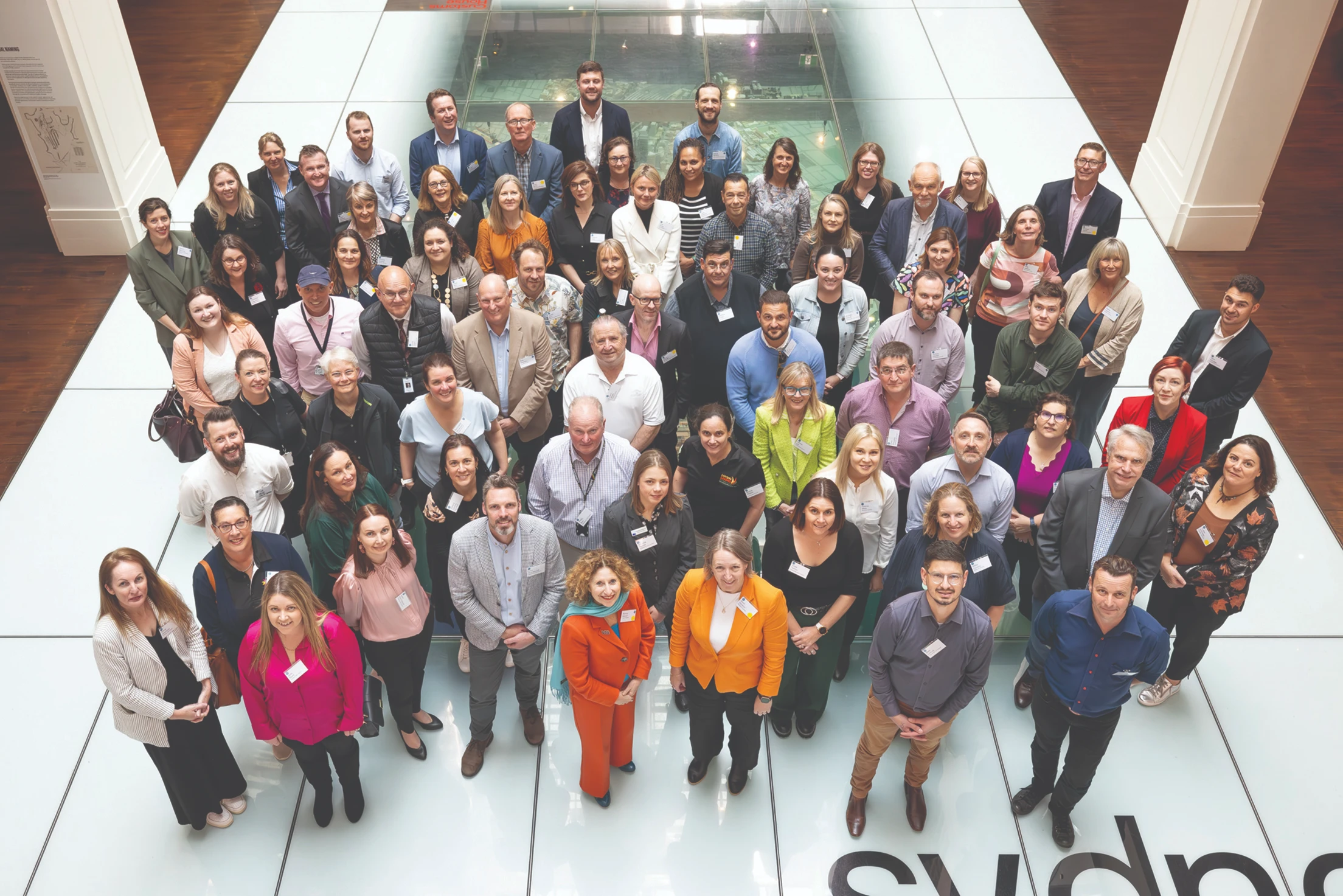
The Resilient Sydney Resilience Ambassadors Network has been one of the initiative’s most important and enduring governance innovations. Established under the first Resilient Sydney Strategy, the network brought together officers from across Greater Sydney’s councils to champion resilience within their organisations and connect local priorities with regional action.
Over the past decade, the network has helped build a shared understanding of resilience across local government, fostered collaboration between councils, and created trusted relationships that have proven invaluable during times of crisis. Through regular engagement, knowledge sharing and peer learning, Ambassadors have helped embed resilience thinking into planning, policy, service delivery and emergency preparedness across the region.
As Greater Sydney has faced bushfires, floods, heatwaves, infrastructure disruptions and the COVID-19 pandemic, the network has played a critical role in connecting local insights with metropolitan responses and ensuring lessons learned are shared across jurisdictions.
The Ambassadors Network demonstrates that resilience is built not only through strategies and institutions, but through people and relationships. By creating a community of practice across local government, Resilient Sydney has strengthened the capacity of councils to work collectively on complex and interconnected challenges.
As Resilient Sydney enters its next phase, the Ambassadors Network remains a vital mechanism for coordination, knowledge exchange and leadership, helping to ensure resilience is embedded across the governance systems of Greater Sydney and translated into action at the local level.
