

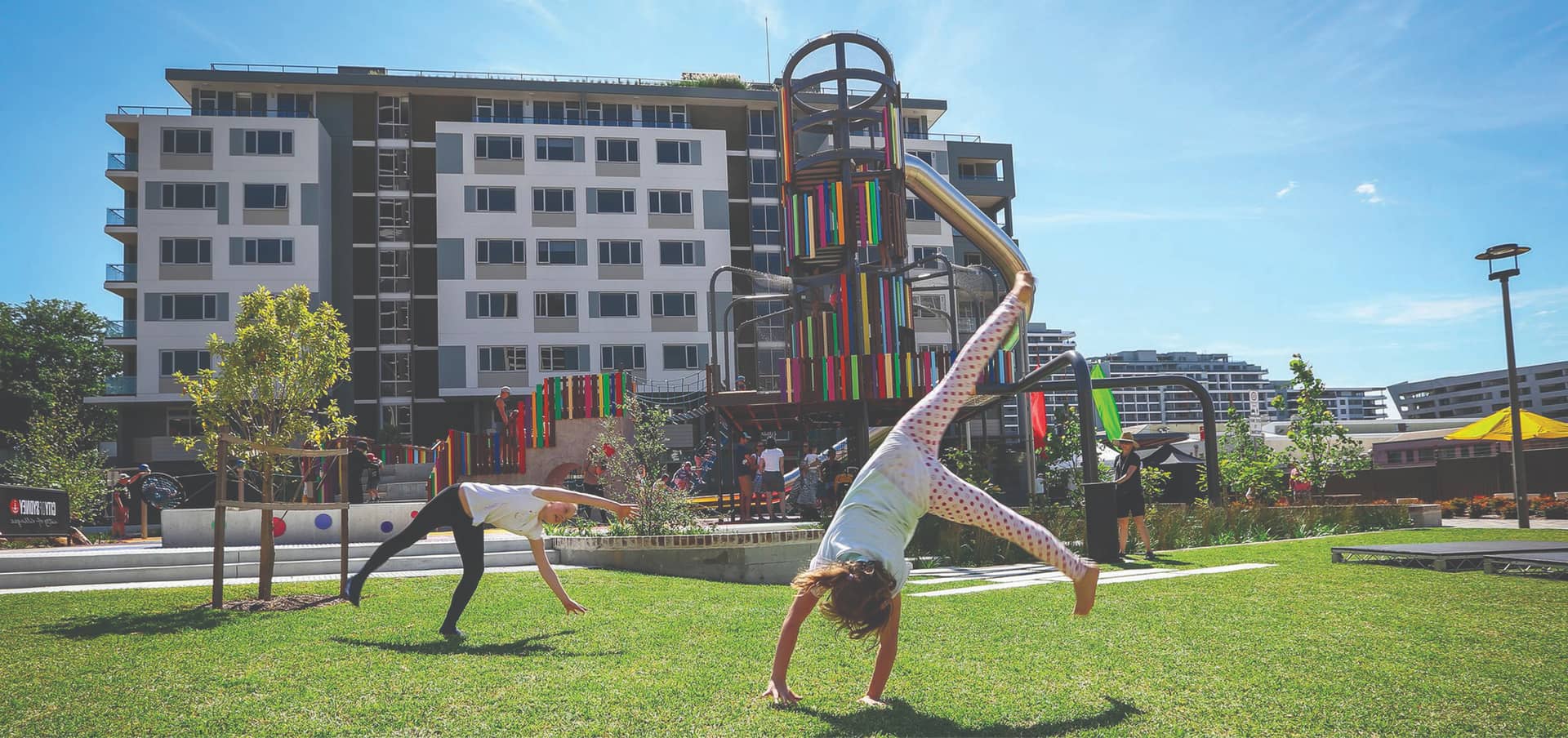
People – centred city
An equitable city with climate resilient neighbourhoods
Direction 2As the impacts of climate change increase, many more communities in Sydney face risk from natural hazards including floods, bushfires, coastal inundation and heat. More areas of Sydney will become unsafe for new housing. Existing housing will need to be modified to become climate-resilient, and water and energy efficient. Understanding these risks helps us take proactive action to minimise many adverse impacts of climate change. It means we can reduce our exposure to hazards and protect communities and assets.
Housing affordability was identified as a top stress throughout consultation. Over 35% of renter households in Greater Sydney experience housing stress (paying over 30% of monthly income on housing cost. ) Unaffordable housing cost the Sydney economy $10 billion a year.
Community engagement and the resilience risk assessment identified that communities across Greater Sydney have inequitable access to services and opportunities. This inequity undermines the resilience of people to withstand shock events. Inequitable access to transport, particularly in Western Sydney was a high concern raised in consultation.
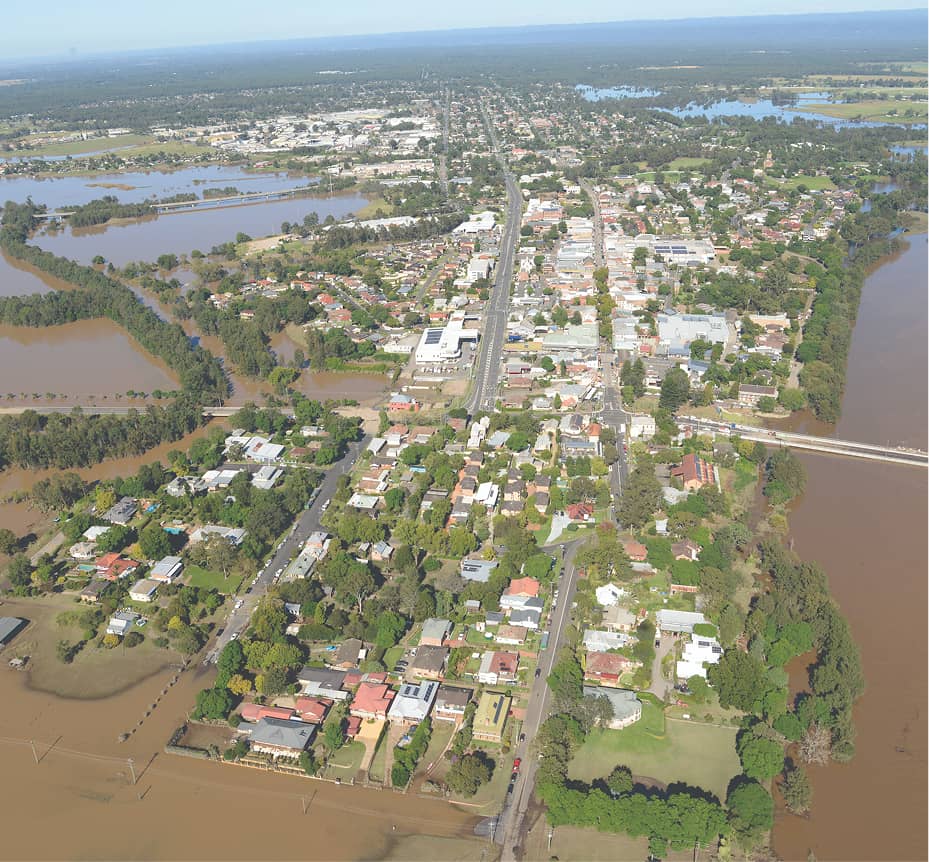
Prepared for Emergencies

Heat
Heat is the most significant climate risk to health and wellbeing in Sydney. Heatwaves already cause more deaths than any other natural hazard. Heatwaves are expected to double in frequency and duration over the next 50 years, and extreme heat has a big impact on the environment, the economy and social connections. Globally pioneering initiatives like the Greater Sydney Heat Taskforce, Heat Plan, endorsement in late 2024 of a revised Heatwave Subplan, and increasing uptake of the Cool Suburbs rating tool represent good strides forward but more investment is needed to embed progress to date in government processes and forward budget planning.

Affordable and Quality Housing
Local government makes an important contribution to increasing affordable housing through affordable housing schemes and levies. Community and private sectors, including institutional investors such as super funds, are also critical to solving Sydney’s housing crisis.

Active Transport and a City of Greenways
Transport options that are not good enough or hard to access are impacting people’s work and education opportunities, access to services, social connections and wellbeing. This is happening particularly in western Sydney. A City of Greenways would see investment in a network of multifunctional corridors for walking, cycling, biodiversity havens and linkages between increasingly urbanised neighbourhoods.
Heat is the most significant climate risk to health and wellbeing in Greater Sydney.
Action 9
Plan and design places to withstand increased natural hazards
Shocks & stresses
-
 Heatwaves
-
 Bushfires
-
 Flooding
-
 Coastal hazards
-
 Shelter
-
 Housing stress
Resilience challenge
Climate change is exposing more communities in Greater Sydney to extreme impacts from natural hazards including flooding, bushfires, coastal inundation and heat.
State disaster mitigation plan alignment
- Managed relocations
- Strategic planning controls
- Building standards and codes
- Home modifications
Resilience goals
- Homes are designed, built and retrofitted to withstand increasing impacts from extreme weather and keep people safe.
- Planning policies and plans avoid increasing the number of people and homes in areas that are or will be vulnerable to natural hazards.
- Plans are in place to support communities in areas that will become too risky for people to live in.
Action 10
Improve the heat resilience of communities in Greater Sydney
Shocks & stresses
-
Heatwaves
-
 Mental health
-
Shelter
-
 Health services
-
 Family violence
Resilience challenge
Extreme heat is a significant threat to Greater Sydney’s health, liveability, infrastructure, and productivity. Infrastructure failure or disruption combined with heat could have catastrophic effects for people. Lack of clarity on roles and responsibilities within government hampers response to extreme heat events.
State disaster mitigation plan alignment
- Mitigation infrastructure
- Strategic planning controls
- Building codes
- Community awareness and preparedness
- Home modifications
- Infrastructure resilience
- Nature-based measures
Resilience goals
- People, organisations, and built and natural environments are better prepared and able to withstand extreme heat.
- Systems and services are in place that equitably protect lives, health and wellbeing during heatwaves.
Action 11
Increase and improve affordable rental housing
Shocks & stresses
-
 Economic crisis
-
Heatwaves
-
 Storms
-
Shelter
-
Housing stress
-
 Chronic health conditions
Resilience challenge
Housing stress is affecting a growing number of Greater Sydney households exposing more people to social stresses, economic shocks and environmental hazards.
State disaster mitigation plan alignment
- Strategic planning controls
- Building standards and codes
- Home modifications
Resilience goals
- All Greater Sydney councils have affordable housing contribution schemes.
- There is a clear framework and increased capacity to deliver more affordable rent-controlled housing through partnerships between the state government, local government and community housing sector.
Action 12
Better connected communities with active and public transport
Shocks & stresses
-
 Energy
-
 Transport shock
-
Transport stress
-
 Education
-
 Cost of living
-
Chronic health conditions
Resilience challenge
Transport options that are not good enough or hard to access are impacting people’s work and education opportunities, access to services, social connections and wellbeing. This is happening particularly in western Sydney.
State disaster mitigation plan alignment
- Evacuation infrastructure
- Infrastructure resilience
- Social infrastructure and cohesion
Resilience goals
- Public transport services and active transport options provide affordable ways for people to move around Greater Sydney safely and efficiently.
- People in Greater Sydney have access to local neighbourhoods with essential services from their home.
Action 13
Create inclusive and welcoming public places
Shocks & stresses
-
 War & conflict
-
 Disease outbreak
-
Heatwaves
-
Cost of living
-
 Social isolation
-
 Reducing social cohesion
Resilience challenge
Public places are important for connecting neighbourhoods and people. However, many people, including women and young people, do not feel safe and welcome in many public places in Greater Sydney.
State disaster mitigation plan alignment
- Evacuation infrastructure
- Strategic planning
- Nature-based measures
- Infrastructure resilience
- Social infrastructure and cohesion
Resilience goals
- Public places are safer, more inclusive and better connected with improved access to public transport.
- Inclusive, engaging and safe places support local economies and diverse cultural and social experiences.